
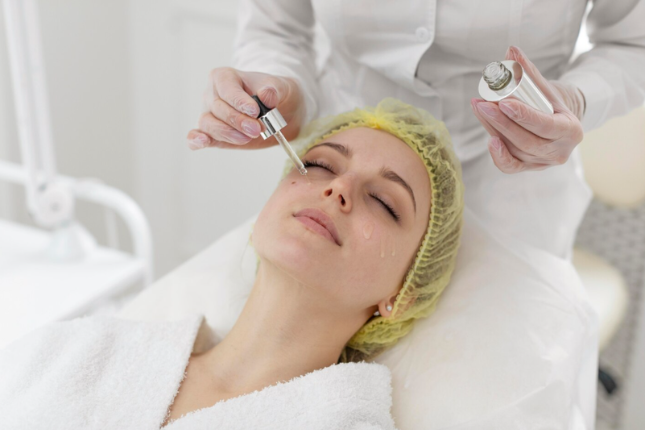
Melasma is one of the most common reasons women in Hyderabad consult a dermatologist — and one of the most frustrating to treat, because it’s also one of the most over-promised. If you’ve seen ads claiming “permanent melasma removal,” it’s worth knowing upfront: no single treatment permanently switches off the pigment-producing cells responsible for melasma. What genuinely works is sustained, combination management. Here’s what the evidence actually supports. Chemical Peel Treatment Clinic in Hyderabad
What Melasma Actually Is
Melasma is a pigmentary condition causing symmetrical brownish patches, typically across the cheeks, forehead, upper lip, or chin — often called a “butterfly mask” because of its pattern. It’s driven by a mix of chronic sun exposure, hormonal changes (pregnancy, contraceptives), and genetic predisposition, and it’s especially common in darker skin types, including most Indian skin tones. Because the underlying pigment-producing cells remain reactive, melasma tends to recur without ongoing maintenance — which is why “one-time fix” claims don’t hold up clinically.
Treatment Option 1: Topical Tranexamic Acid (TXA)
Originally used to control bleeding, tranexamic acid works for melasma by inhibiting a pathway that stimulates melanin production. It’s available as a topical application, oral tablet, or — less commonly — injectable microneedling formulation, and current clinical evidence supports it as an effective, foundational part of melasma treatment, particularly for Asian and Indian skin types.
- Topical TXA: Often combined with other depigmenting agents (azelaic acid, kojic acid, vitamin C) as part of a daily skincare routine
- Oral TXA: Used under medical supervision, typically in combination with in-clinic procedures, for more resistant cases
- Best for: Ongoing maintenance and as a base layer alongside other treatments — not usually a fast standalone fix
Treatment Option 2: Chemical Peels
Superficial chemical peels using agents like glycolic acid, kojic acid, salicylic-mandelic acid, or azelaic acid help exfoliate the upper skin layers, gradually reducing surface pigmentation. Peels are generally considered a first-line in-clinic intervention, especially for epidermal (surface-level) melasma.
- Best for: Epidermal melasma, and as an accessible first step before considering laser
- Realistic expectation: Multiple sessions (often 6 or more, spaced a few weeks apart) are needed, with gradual rather than dramatic improvement
Treatment Option 3: Q-Switched Laser
Q-Switched Nd:YAG laser — often used in “laser toning” protocols — targets melanin deposits directly, breaking down pigment particles for gradual clearance. It’s particularly useful for melasma that hasn’t responded well to topical treatment alone, and current research shows the strongest results come from combining Q-Switch laser with oral tranexamic acid rather than using either alone.
- Best for: Dermal or mixed melasma (deeper pigment) that’s resistant to topical treatment
- Important caution: Aggressive laser settings can trigger post-inflammatory hyperpigmentation in Indian skin types — this treatment needs to be calibrated carefully by an experienced dermatologist, not run at a generic setting
So What Actually Works Best?
The clearest answer from current clinical evidence: combination therapy outperforms any single treatment. A typical, evidence-based approach looks like:
- Foundation (ongoing, non-negotiable): Daily broad-spectrum SPF 50+, plus topical tranexamic acid and/or azelaic acid as a maintenance skincare layer
- First in-clinic step: Chemical peels to address surface pigmentation
- For resistant or deeper pigmentation: Q-Switched laser toning, often paired with oral tranexamic acid under medical supervision
None of these fully “cures” melasma in the sense of making the underlying tendency disappear — but well-managed melasma can be kept to a level where it’s no longer noticeable day to day, which is a realistic and meaningful outcome.
Why Sun Protection Isn’t Optional
Sun exposure is one of the strongest triggers for melasma flare-ups, and skipping sunscreen undoes progress from even the best in-clinic treatment. In Hyderabad’s climate, daily reapplication — not just a morning application — matters more than most patients expect. This single habit is often the difference between sustained improvement and repeated relapse.
Realistic Timeline
- Chemical peels: gradual improvement over 6+ sessions, spaced 2–4 weeks apart
- Q-Switch laser toning: typically 6–10 sessions for visible improvement in resistant cases
- Topical/oral tranexamic acid: supports and maintains results, usually alongside procedures rather than instead of them
- Maintenance: ongoing, since melasma has a tendency to recur, especially with sun exposure or hormonal changes
The Derm Aura Approach
At Derm Aura Skin & Hair Clinic, Banjara Hills, Dr. Suma Divya assesses whether melasma is epidermal, dermal, or mixed before recommending treatment — since this determines whether peels, laser, tranexamic acid, or a combination will actually help. Treatment plans are built around realistic, sustained results rather than one-time promises.
Frequently Asked Questions
Can melasma be permanently cured? Not in the sense of eliminating the underlying tendency — but with the right combination treatment and consistent sun protection, melasma can be controlled to the point of being barely noticeable, long-term.
Is Q-Switch laser safe for Indian skin types? Yes, when used at appropriately calibrated settings by an experienced dermatologist. Indian skin (Fitzpatrick IV–V) is more prone to post-inflammatory pigmentation from aggressive laser settings, so technique and calibration matter more than the device name alone.
How long does tranexamic acid take to show results for melasma? Topical use typically shows gradual improvement over 8–12 weeks; oral tranexamic acid, used under supervision, may show faster results but requires medical monitoring.
Why does my melasma keep coming back after treatment? Melasma has an underlying tendency driven by genetics, hormones, and UV exposure — the pigment-producing cells remain reactive even after successful treatment, which is why ongoing sun protection and maintenance are essential, not optional.
Are chemical peels or laser better for melasma? Neither is universally better — peels tend to suit surface (epidermal) melasma well, while laser toning is often more effective for deeper or resistant pigmentation. Many patients benefit from a combination, guided by a proper diagnosis.