
Category: Hair

  • Monsoon Hair Fall: Why It Happens and How to Stop It

    Monsoon Hair Fall: Why It Happens and How to Stop It

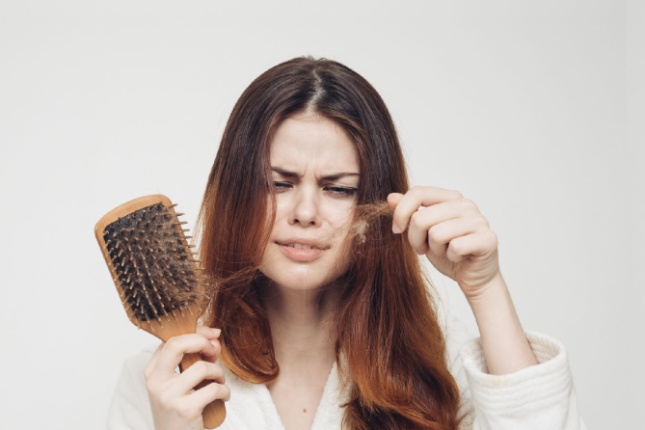
    If your hairbrush suddenly looks a lot fuller between July and September, you’re not imagining it. Clinics across Hyderabad routinely see a noticeable rise in patients complaining of hair fall through the monsoon months. It’s a real, well-documented seasonal pattern and understanding why it happens makes it much easier to manage. Best Hair Fall Treatment in Hyderabad

    Why Hair Fall Increases During Monsoon

    Hair is hygroscopic, meaning it absorbs moisture directly from humid air. During monsoon, several things happen to your scalp and hair shaft at once:

    • Hair shaft swelling: Humidity causes the outer cuticle layer to lift and swell, making hair more porous, more prone to tangling, and far more likely to snap during combing or tying.
    • Excess scalp oil and sweat: Humidity increases sebum production and sweating, creating a scalp environment that’s easier for microbes to thrive in.
    • Fungal and dandruff flare-ups: The warm, damp scalp environment is ideal for Malassezia, the yeast responsible for dandruff and seborrhoeic dermatitis — both of which weaken the hair root over time and worsen shedding.
    • Hard water and rainwater exposure: Many Hyderabad households deal with mineral-heavy water, and direct rainwater exposure can further disturb the scalp’s natural pH, leaving hair more fragile.
    • Reduced scalp circulation: Some dermatologists note that atmospheric and lifestyle changes during monsoon (reduced outdoor activity, changed routines) can subtly affect scalp blood flow, which matters for follicle nourishment.

    None of this is a single cause acting alone — monsoon hair fall is typically the combined effect of humidity, scalp hygiene, water quality, and pre-existing scalp conditions all showing up at once.

    Is This Normal Shedding, or Something Else?

    Losing 50–100 hairs a day is normal as part of the natural growth cycle, and monsoon can temporarily push this higher without it being a medical problem. However, it’s worth seeing a dermatologist rather than waiting it out if you notice:

    • Shedding that continues well past 2–3 months and doesn’t taper off with the season
    • Patchy hair loss rather than diffuse thinning
    • Persistent scalp itching, pain, or pus-filled bumps
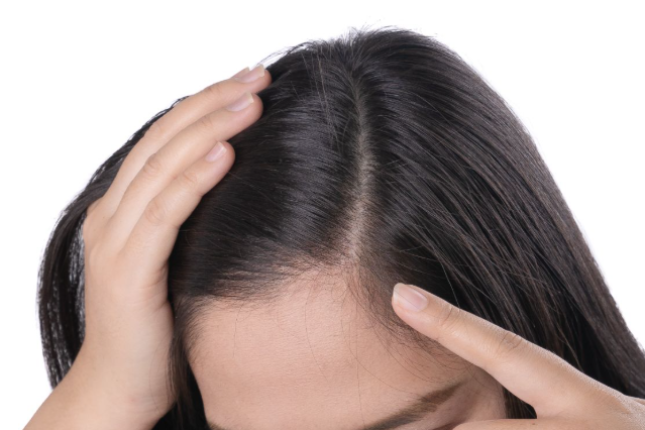
    • A visibly widening parting or reduced density, not just “more hair in the drain”

    Seasonal shedding usually settles on its own within a few months. Anything beyond that pattern deserves a proper scalp assessment.

    How to Manage Monsoon Hair Fall — A Practical Routine

    Keep the scalp genuinely dry and clean. Damp hair left tied up or under a hood for hours is one of the biggest contributors to fungal buildup — dry your scalp properly after getting wet, and avoid tying up hair while it’s still damp.

    Wash more frequently, but gently. A mild, sulfate-free shampoo used slightly more often than your usual routine helps control excess oil and sweat without stripping the scalp. If dandruff is a recurring issue, an anti-fungal shampoo (ketoconazole or zinc pyrithione-based) used 2–3 times a week helps keep Malassezia in check.

    Minimise rainwater contact. Where possible, cover your head when stepping out, and rinse hair with clean water as soon as you can after rain exposure to reduce pollutant and pH disruption.

    Be gentle with wet hair. Wet hair is at its weakest — avoid vigorous towel-drying or brushing immediately after a wash; detangle gently with a wide-tooth comb instead.

    Don’t neglect nutrition. Iron, protein, and B-vitamin intake matter year-round, but a nutrient-poor diet compounds any seasonal scalp stress. This is worth checking if shedding feels disproportionate to what monsoon alone would explain.

    When In-Clinic Treatment Helps

    If seasonal shedding is layered on top of an existing scalp condition — dandruff that won’t clear, early pattern thinning, or a diffuse shedding pattern that isn’t improving with home care — in-clinic options can meaningfully speed things up:

    • Medicated scalp treatments for persistent dandruff or seborrhoeic dermatitis that over-the-counter shampoos haven’t resolved
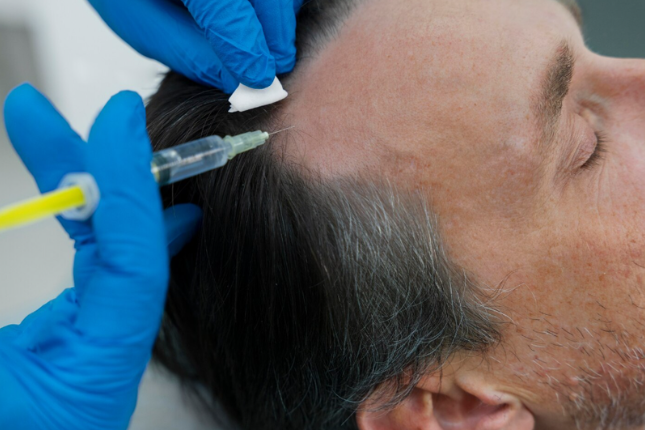
    • PRP or GFC therapy to support follicle health if thinning is more than purely seasonal
    • Trichoscopy-guided diagnosis to confirm whether what looks like “monsoon hair fall” is actually an underlying condition that happens to be more visible this time of year

    The Derm Aura Approach

    At Derm Aura Skin & Hair Clinic, Banjara Hills, Dr. Suma Divya assesses whether increased shedding is genuinely seasonal or masking an underlying scalp or hormonal issue — using trichoscopy and, where needed, blood work — before recommending home-care adjustments, medicated treatment, or in-clinic therapy.

    Frequently Asked Questions

    How long does monsoon hair fall usually last? It typically peaks during the humid months and settles within 3–6 months of consistent scalp care, once the season and any related dandruff have resolved.

    Does washing hair more often during monsoon cause more hair fall? No — a mild shampoo used slightly more frequently helps control the oil and sweat buildup that actually contributes to shedding. Over-washing with harsh shampoo can dry the scalp, so the type of shampoo matters more than frequency alone.

    Should I stop oiling my hair during monsoon? Heavy oiling can trap moisture and sweat against the scalp, worsening fungal growth in humid weather. Lighter, non-comedogenic scalp treatments are usually better suited to monsoon than traditional heavy oils.

    When should I see a dermatologist instead of managing this at home? If shedding continues beyond 2–3 months, if you notice patchy hair loss, or if there’s persistent scalp itching or visible inflammation — these suggest something beyond typical seasonal shedding.

    Can monsoon hair fall cause permanent hair loss? On its own, no it’s typically temporary. But if an underlying condition (dandruff, hormonal thinning, nutritional deficiency) goes unaddressed for a long time, that underlying issue not the monsoon itself can lead to more lasting thinning.
  • Hair Fall Treatment Cost in Hyderabad 2026 (PRP, GFC, Transplant)

    Hair Fall Treatment Cost in Hyderabad 2026 (PRP, GFC, Transplant)

    One of the most common questions dermatologists hear in Hyderabad isn’t “will this work” it’s “what will this actually cost me.” Hair fall treatment pricing varies enormously between clinics, and the range itself is confusing: PRP can cost anywhere from ₹4,000 to ₹9,000 a session, and a hair transplant quote might range from ₹60,000 to over ₹3,00,000. Here’s what actually drives that spread, and realistic 2026 pricing for each option in Hyderabad.

    Why Hair Fall Treatment Costs Vary So Much

    Before the numbers: the biggest cost driver isn’t the treatment name, it’s who is performing it. Clinics led by board-certified dermatologists with FDA-approved equipment and proper protocols charge more per session or per graft than technician-led, high-volume centres — and the difference shows up in graft survival, complication rates, and how natural the results look. A quote significantly below market range is a signal to ask more questions, not a bargain. Hair Transplant Treatment in Hyderabad

    PRP (Platelet-Rich Plasma) Cost in Hyderabad

    DetailTypical Range
    Cost per session₹4,000 – ₹9,000
    Sessions needed4–6, spaced 4 weeks apart
    Total cost (full course)₹16,000 – ₹45,000
    Best suited forEarly to moderate hair thinning

    PRP is usually the entry point for non-surgical hair fall treatment and tends to be priced lower than GFC because the blood processing step is simpler.

    GFC (Growth Factor Concentrate) Cost in Hyderabad

    DetailTypical Range
    Cost per session₹6,000 – ₹12,000
    Sessions needed3–4, spaced 4–6 weeks apart
    Total cost (full course)₹18,000 – ₹48,000
    Best suited forModerate hair loss, or if PRP alone hasn’t worked

    GFC costs more per session than PRP because of the more advanced processing used to isolate concentrated growth factors — but it often needs fewer sessions overall, which narrows the total cost gap.

    Hair Transplant Cost in Hyderabad

    This is where pricing spreads the widest, because it depends heavily on graft count and technique.

    TechniquePer-Graft CostTypical Total Cost
    FUE (Follicular Unit Extraction)₹40 – ₹80₹80,000 – ₹2,50,000
    DHI (Direct Hair Implantation)₹55 – ₹120₹1,00,000 – ₹3,00,000+
    FUT (strip method)Lower per graft, less common today₹60,000 – ₹1,50,000

    Graft count depends on the stage of baldness (Norwood scale). Early-stage thinning may need 1,000–2,000 grafts; more advanced hair loss can require 3,500–5,000+ grafts, sometimes across two sessions.

    Watch for per-graft rates under ₹30–35. This usually signals technician-led extraction rather than a doctor-performed procedure, which is linked to lower graft survival (as low as 50–60%, versus 90%+ at properly run clinics) — a cheaper quote can end up costing more if a repeat procedure is needed later.

    What Should Be Included in a Transparent Quote

    Before comparing prices between clinics, confirm the quote includes:

    • Pre-treatment consultation and scalp/trichoscopy assessment
    • All sessions required for the recommended course, not just the first
    • Post-procedure medication
    • Follow-up visits
    • GST (often billed separately and easy to miss in a headline number)

    A genuinely all-inclusive quote is more useful than the lowest per-session or per-graft number on its own.

    PRP vs GFC vs Transplant: Which Is the Right Spend?

    • Early, diffuse thinning: PRP is usually the most cost-effective starting point.
    • Moderate thinning, or no response to PRP: GFC, often combined with medical therapy.
    • Stable, advanced baldness with a clear bald area: Hair transplant is the only option that restores hair permanently in that zone — PRP/GFC support the surrounding hair but don’t regrow hair in areas with no active follicles.

    The only way to know which category you’re actually in is a proper scalp assessment — cost estimates without a diagnosis first are, at best, a rough starting point.

    Getting an Honest Quote at Derm Aura

    At Derm Aura Skin & Hair Clinic, Banjara Hills, every hair fall consultation with Dr. Suma Divya starts with a scalp assessment and, where relevant, blood work — before any cost discussion. You’ll get a session-wise, itemised quote based on what your hair loss stage actually needs, not a package sold on the first visit.

    Frequently Asked Questions

    What is the cheapest effective hair fall treatment in Hyderabad? For early-stage thinning, PRP is usually the most affordable clinically effective option, starting around ₹4,000 per session.

    Is a ₹25,000 full hair transplant too cheap to be safe? For a meaningful graft count, this typically indicates a technician-led, lower-cost clinic. It’s not automatically unsafe, but graft survival rates tend to be lower, so ask specifically who performs the extraction and implantation.

    Does insurance cover hair fall treatment in India? No — PRP, GFC, and hair transplants are considered cosmetic/elective procedures and are not covered by standard health insurance in India.

    How much does a full PRP course cost in total? A full course of 4–6 sessions typically totals ₹16,000–₹45,000, depending on the clinic and number of sessions recommended.

    Can I get an EMI or payment plan for hair transplant costs? Many Hyderabad clinics, including larger procedures at Derm Aura, offer instalment options — ask during your consultation.

  • Female Hair Thinning After 30: Causes and Non-Surgical Fixes

    Female Hair Thinning After 30: Causes and Non-Surgical Fixes

    Somewhere in their early-to-mid 30s, a lot of women notice the same thing: the ponytail feels thinner, the centre parting looks wider, and there’s more hair in the shower drain than there used to be. It’s easy to dismiss it as stress or “just getting older,” but hair thinning in your 30s almost always has an identifiable cause — and most causes are manageable once correctly diagnosed. Here’s what’s actually going on, and which non-surgical treatments genuinely help. Advanced Hair Treatment in Hyderabad

    Why 30 Is a Common Turning Point

    Estrogen plays a protective role in keeping hair follicles in their active growth phase for longer. As women move through their 30s, hormonal fluctuations — from lifestyle stress, pregnancy and postpartum changes, or the early stages of perimenopause — become more common, and hair follicles are particularly sensitive to these shifts. The result is usually gradual, diffuse thinning rather than sudden bald patches, which is exactly why it often goes unnoticed until it’s fairly advanced.

    The Most Common Causes

    1. PCOS (Polycystic Ovary Syndrome)

    PCOS is one of the leading hormonal causes of hair thinning in Indian women, affecting a significant share of women of reproductive age. Elevated androgen levels can miniaturise hair follicles, leading to thinning at the crown and a widening centre part — often alongside other signs like acne, irregular periods, or increased facial/body hair.

    2. Thyroid Dysfunction

    Both an underactive thyroid (hypothyroidism) and an overactive one (hyperthyroidism) disrupt the hair growth cycle. Thyroid-related hair loss tends to be diffuse across the whole scalp rather than concentrated at the crown, and it’s often accompanied by fatigue, weight changes, or skin dryness.

    3. Iron Deficiency

    Low ferritin (the body’s iron storage protein) is one of the most common nutritional causes of hair thinning in Indian women — driven by heavy menstrual cycles, vegetarian diets low in absorbable iron, and pregnancy. Hair can thin noticeably even before iron deficiency becomes severe enough to cause other symptoms.

    4. Telogen Effluvium (Stress-Related Shedding)

    A physically or emotionally stressful event — illness, major life stress, crash dieting, surgery, or childbirth — can push a large number of follicles into the resting (telogen) phase at once. This causes noticeable diffuse shedding roughly 2–3 months after the triggering event, and usually improves once the underlying stressor resolves.

    5. Postpartum Hair Loss

    Elevated estrogen during pregnancy keeps more hair in the growth phase than usual. After delivery, estrogen drops sharply, and all that extra hair enters the shedding phase at once — typically 2–4 months postpartum. This is one of the most common (and most temporary) causes of female hair thinning, but it can still benefit from supportive treatment.

    6. Female Pattern Hair Loss (Genetic)

    Similar in mechanism to male pattern baldness, this is a hereditary sensitivity of hair follicles to hormones, causing progressive thinning at the crown and part line. It tends to run in families and, unlike telogen effluvium, doesn’t resolve on its own — it needs ongoing management.

    Early Signs Worth Acting On

    • A centre part that looks noticeably wider than it used to
    • Reduced ponytail thickness compared to a few years ago
    • More visible scalp under bright light
    • Increased strands on your pillow, brush, or in the shower

    Normal daily hair shedding is around 50–100 strands — the concern is a sustained increase in shedding or a visible drop in density, not the occasional bad hair day.

    Getting the Diagnosis Right

    Because thinning after 30 has several overlapping causes, treatment that skips diagnosis rarely works long-term. A proper workup typically includes:

    • Trichoscopy (scalp and follicle examination)
    • Blood tests: thyroid panel (TSH, T3, T4), ferritin/iron studies, and — where PCOS is suspected — a hormonal panel
    • A menstrual and medical history review

    Non-Surgical Treatment Options

    Addressing the Root Cause

    • Thyroid or PCOS management — often in coordination with an endocrinologist or gynaecologist, alongside dermatological care
    • Iron and nutrient correction — supplementation guided by actual blood levels, not guesswork
    • Stress-related shedding — usually resolves within 6–9 months once the trigger passes, sometimes supported by in-clinic treatment to speed recovery

    In-Clinic Treatments

    • PRP (Platelet-Rich Plasma): supports follicle health and is often used for early diffuse thinning
    • GFC (Growth Factor Concentrate): a more concentrated option for moderate thinning or when PRP alone hasn’t been enough
    • Medical therapy: topical or oral treatments prescribed based on the specific diagnosis — not a one-size-fits-all product

    Combination approaches — correcting the underlying cause and supporting follicles in-clinic — consistently give better results than either approach alone.

    What to Expect, Realistically

    Hair growth is slow by nature. Even with the right treatment, most women notice reduced shedding within 2–3 months and visible density improvement over 6–12 months. Thinning caused by a treatable trigger (postpartum, iron deficiency, acute stress) tends to respond faster and more completely than thinning with a genetic component, which is managed rather than fully reversed.

    How Derm Aura Approaches Female Hair Thinning

    At Derm Aura Skin & Hair Clinic, Banjara Hills, Dr. Suma Divya — a dermatologist and trichologist with over a decade of experience — evaluates female hair thinning with a full trichoscopic assessment and relevant blood work before recommending a treatment plan, whether that’s medical management, PRP/GFC, or a combination approach.

    Frequently Asked Questions

    Is hair thinning after 30 normal for women? Some gradual change is common, but a noticeably widening part, reduced ponytail thickness, or increased shedding usually points to an identifiable and treatable cause — it’s worth getting evaluated rather than assuming it’s simply age.

    Can PCOS-related hair loss be reversed? It can often be significantly improved once the underlying hormonal imbalance is managed, combined with supportive in-clinic treatment. Full reversal varies by individual and how early treatment starts.

    How do I know if my hair loss is stress-related or hormonal? Stress-related shedding (telogen effluvium) usually follows a specific triggering event by 2–3 months and improves on its own over several months. Hormonal thinning tends to be more gradual and persistent, and blood tests can help distinguish the two.

    Do I need blood tests before starting hair fall treatment? Ideally, yes. Thyroid, ferritin, and — where relevant — hormonal panels help identify the actual cause, so treatment isn’t guesswork.

    Is PRP or GFC effective for hormonal hair thinning? Both can support follicle health and improve density, but they work best alongside treatment of the underlying hormonal cause rather than as a standalone fix.

Need Help?