
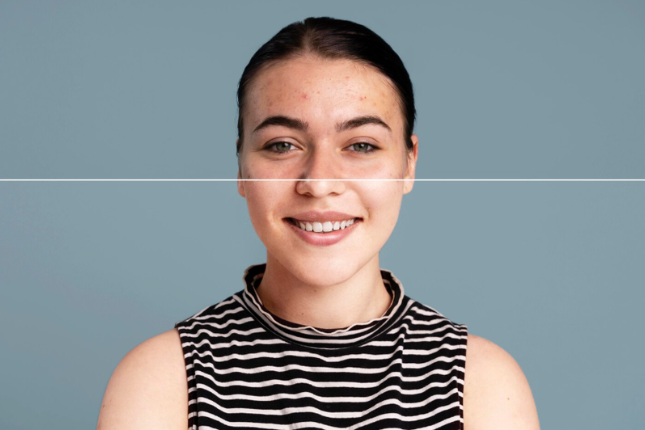
Open pores and dull skin are two of the most common complaints dermatologists hear and two of the most over-promised online, with ads suggesting pores can be “closed permanently” in a single session. They can’t be, because pores don’t have muscles to contract or a switch to close. What they can do is look smaller and less noticeable, and dullness can genuinely lift but both take a realistic, cumulative timeline, not one visit. Here’s what actually happens, week by week. Dull Skin Treatment in Hyderabad
Why Pores Look Larger and Skin Looks Dull
Pore size is partly genetic, but it appears more prominent when:
- Excess oil and dead skin cells stretch the pore opening
- Sun damage and ageing reduce the surrounding collagen support, so pores lose their “backing” and appear more sunken
- A buildup of dead skin cells creates the dull, uneven surface that makes both pores and overall tone look worse in direct light
This is why the most effective treatments target the surrounding skin structure — collagen and cell turnover — rather than the pore itself.
What Actually Works
Microneedling
Fine needles create controlled micro-injuries that trigger the body’s natural collagen and elastin production. Over time, the thickened dermis around each pore provides more structural support, making pores appear smaller — not because the pore closes, but because the surrounding skin fills in around it. This is currently the best-evidenced in-clinic treatment for pore appearance and overall texture.
Chemical Peels
Regular, appropriately-strength peels clear the dead skin cell buildup that dulls the complexion and can subtly worsen pore appearance. Peels are a strong complement to microneedling rather than a substitute — they address surface dullness while microneedling builds structural support underneath.
HydraFacial
Useful for immediate glow and pore decongestion (removing the oil and debris that stretch pores in the short term), but it’s a maintenance treatment rather than a structural one — it won’t produce the lasting texture change that microneedling or a peel series can.
The Realistic Timeline
Week 1–2 (after a single session): Skin looks noticeably brighter and pores appear temporarily smaller, mostly from reduced congestion and mild swelling. This early “wow” effect isn’t the final result and shouldn’t be mistaken for it.
Week 3–4: Initial glow fades slightly as the skin settles. This is a normal, expected dip — not a sign the treatment “stopped working.” Collagen remodeling is a slow biological process, not an overnight one.
Month 1–2: With microneedling, this is where genuine texture refinement starts becoming visible. Fine lines soften slightly, pores begin looking more refined, and tone starts to even out. Most treatment plans call for a follow-up session around this point to build on the initial results.
Month 3–4: Cumulative sessions (typically 3–6 for microneedling, spaced 4–6 weeks apart) start showing meaningfully smaller-looking pores, smoother texture, and reduced dullness. This is usually the stage where people say “okay, this is actually working,” because gradual day-to-day change becomes obvious in before-and-after comparison.
Month 4–6: Collagen remodeling reaches its most mature stage. Results are more stable and longer-lasting at this point, provided a reasonable skincare and sun protection routine is maintained afterward.
What This Means Practically
If you go in expecting a single HydraFacial or one microneedling session to permanently shrink your pores, you’ll be disappointed — not because the treatment doesn’t work, but because that’s not how collagen remodeling happens biologically. A realistic plan looks like a series of sessions over 3–6 months, not a single visit, with the most meaningful, lasting improvement showing up around the 3–4 month mark.
Why Aftercare Determines Whether Results Last
The first 24–48 hours after microneedling or a peel matter more than people expect — the skin barrier is temporarily more permeable, so gentle, fragrance-free products (avoiding actives, retinoids, and exfoliants during this window) protect the results you’re paying for. Daily sunscreen afterward isn’t optional either: UV exposure directly undermines the collagen gains these treatments are built to produce.
Setting Expectations Honestly
- Pores can look meaningfully smaller — they cannot be permanently “closed.”
- Mild dullness and enlarged pore appearance typically respond well within a single treatment series.
- Deeper concerns (acne scarring, significant sun damage) take longer and may need more sessions.
- Results are cumulative — each session builds on the last, which is why consistency matters more than any single visit.
The Derm Aura Approach
At Derm Aura Skin & Hair Clinic, Banjara Hills, Dr. Suma Divya assesses whether your concern is primarily congestion (HydraFacial territory), surface dullness (peel territory), or structural texture and pore appearance (microneedling territory) — and builds a realistic, session-based plan rather than promising results a single visit can’t deliver.
Frequently Asked Questions
Can open pores be closed permanently? No — pores don’t have a mechanism to close completely. Treatments like microneedling improve the surrounding skin structure, making pores appear smaller and less noticeable, which is a genuine and visible improvement, just not a permanent physical closure.
How many microneedling sessions do I need for open pores? Most people need 3–6 sessions, spaced 4–6 weeks apart, with the most noticeable improvement typically visible by month 3–4.
Will a single HydraFacial fix dull skin? It will give a visible short-term glow, but lasting improvement in dullness and texture generally needs a treatment series (microneedling or peels) rather than one session.
Why does my skin look worse a week after microneedling before it improves? This is a normal part of the healing and remodeling process — initial post-treatment glow fades before genuine collagen-driven improvement becomes visible around the one-month mark.Can I combine microneedling, peels, and HydraFacial? Yes — many dermatologist-designed plans combine these, using each for what it does best: HydraFacial for maintenance and glow, peels for surface dullness, and microneedling for structural texture and pore improvement.
Leave a Reply