Author: Dermaura

  • Thread Lift vs HIFU: Non-Surgical Face Lifting Compared

    Thread Lift vs HIFU: Non-Surgical Face Lifting Compared

    Sagging along the jawline, cheeks that don’t sit quite where they used to, a softening jaw contour these are the concerns that usually bring people to ask about non-surgical facelifting. Thread lifts and HIFU (High-Intensity Focused Ultrasound) are the two most commonly recommended options, and while both promise to counter sagging without surgery, they work through genuinely different mechanisms. Understanding that difference is the key to choosing the one that actually matches your concern.

    How They’re Fundamentally Different

    Thread lift is a minimally invasive procedure where absorbable sutures (typically PDO, PLLA, or PCL material) are inserted under the skin and used to physically reposition sagging tissue, pulling it upward and anchoring it in place. This gives an immediate, visible lift. Over the following months, the threads also trigger a mild collagen-building response along their path as the material gradually dissolves — usually within 6–9 months — leaving some lasting structural support behind even after the thread itself is gone. Thread Lift Treatment in Hyderabad

    HIFU is a completely non-invasive energy treatment. It delivers focused ultrasound energy to deep skin layers, heating tissue to stimulate the body’s own collagen production. There’s no physical repositioning — the lift comes gradually, as new collagen firms and tightens the skin over the following months.

    In short: thread lift delivers “lift first, tighten second.” HIFU delivers “tighten first, lift second.”

    Which One Suits Which Concern

    Significant sagging or drooping (moderate to advanced jowls, deep nasolabial folds)

    Thread lift tends to be the better fit, because it physically repositions tissue rather than relying purely on gradual collagen tightening — which has real limits on how much sagging it can correct.

    Mild to moderate skin laxity, early jawline softening

    HIFU is often the more appropriate option here, since the concern is more about skin quality and mild firmness loss than actual drooping that needs to be physically lifted.

    Wanting to see a result immediately

    Thread lift gives a visible lift right after the procedure. HIFU’s results build gradually over 2–3 months as new collagen forms there’s no dramatic “reveal” moment.

    Wanting the least invasive option

    HIFU is entirely non-invasive (no cuts, no sutures under the skin). Thread lift, while minimally invasive, does involve inserting material under the skin, which carries a slightly higher (though still low) complication profile than HIFU.

    Results Timeline and Longevity

    Thread LiftHIFU
    When you see resultsImmediate lift after the procedureGradual, visible over 2–3 months
    How long results lastTypically 1–3 yearsTypically 12–18 months, often needing annual maintenance
    DowntimeMild swelling/bruising for a few days to a weekMinimal — most people return to normal activities same day
    Best suited forModerate to significant sagging needing repositioningMild laxity and overall skin tightening/quality
    Repeat treatmentCan be redone as threads dissolveUsually annual maintenance sessions

    Can They Be Combined?

    Yes — a common approach for people with both mild-to-moderate sagging and a desire for improved skin quality is to use threads for the areas needing actual repositioning, combined with HIFU for broader tightening and firmness. Many dermatologists also use a phased strategy: non-surgical treatments (HIFU, threads) to maintain and improve skin quality through the 30s and 40s, potentially delaying the need for surgical intervention later, or refining results after surgery if that’s eventually chosen.

    What Neither Treatment Can Do

    Neither thread lift nor HIFU replicates the results of a surgical facelift — both work within the limits of non-surgical technology, meaning the degree of change is more subtle and works best for mild-to-moderate concerns rather than advanced sagging. If expectations are set around a dramatic, surgery-level transformation, either treatment is likely to disappoint; set realistically, both can produce a genuinely refreshed, natural-looking result.

    Safety Considerations

    • Thread lift should be performed by an experienced, appropriately trained dermatologist — thread placement depth and technique significantly affect both results and complication risk (irregularities, thread visibility, or asymmetry are typically technique-related issues)
    • HIFU energy settings need to be calibrated to the individual’s skin thickness and concern area — generic, one-setting-for-everyone protocols are less likely to give a good result
    • Both treatments require a proper consultation to assess whether your specific concern (sagging vs. laxity vs. both) matches what each technology is actually designed to address

    The Derm Aura Approach

    At Derm Aura Skin & Hair Clinic, Banjara Hills, Dr. Suma Divya evaluates the specific pattern of sagging or laxity in your face before recommending thread lift, HIFU, or a combination — rather than defaulting to whichever treatment is being promoted, since the two solve genuinely different problems.

    Frequently Asked Questions

    Is thread lift or HIFU better for jowls? For moderate to significant jowl sagging, thread lift is usually more effective since it physically repositions the tissue. HIFU is better suited to milder laxity where firming, not repositioning, is the main need.

    How long do thread lift results last compared to HIFU? Thread lift results typically last 1–3 years. HIFU results generally last 12–18 months, with many people opting for annual maintenance sessions.

    Which has less downtime, thread lift or HIFU? HIFU has minimal to no downtime. Thread lift typically involves mild swelling or bruising for a few days to a week.

    Can I combine thread lift and HIFU? Yes — many treatment plans use threads for areas needing physical repositioning and HIFU for overall skin tightening and quality improvement.

    Will thread lift or HIFU give results as dramatic as a surgical facelift? No — both are designed for mild-to-moderate concerns and work within the limits of non-surgical technology. A surgical facelift remains the option for more advanced sagging or a more dramatic, longer-lasting transformation.
  • Open Pores & Dull Skin: Realistic Timeline for Visible Results

    Open Pores & Dull Skin: Realistic Timeline for Visible Results

    Open pores and dull skin are two of the most common complaints dermatologists hear and two of the most over-promised online, with ads suggesting pores can be “closed permanently” in a single session. They can’t be, because pores don’t have muscles to contract or a switch to close. What they can do is look smaller and less noticeable, and dullness can genuinely lift but both take a realistic, cumulative timeline, not one visit. Here’s what actually happens, week by week. Dull Skin Treatment in Hyderabad

    Why Pores Look Larger and Skin Looks Dull

    Pore size is partly genetic, but it appears more prominent when:

    • Excess oil and dead skin cells stretch the pore opening
    • Sun damage and ageing reduce the surrounding collagen support, so pores lose their “backing” and appear more sunken
    • A buildup of dead skin cells creates the dull, uneven surface that makes both pores and overall tone look worse in direct light

    This is why the most effective treatments target the surrounding skin structure — collagen and cell turnover — rather than the pore itself.

    What Actually Works

    Microneedling

    Fine needles create controlled micro-injuries that trigger the body’s natural collagen and elastin production. Over time, the thickened dermis around each pore provides more structural support, making pores appear smaller — not because the pore closes, but because the surrounding skin fills in around it. This is currently the best-evidenced in-clinic treatment for pore appearance and overall texture.

    Chemical Peels

    Regular, appropriately-strength peels clear the dead skin cell buildup that dulls the complexion and can subtly worsen pore appearance. Peels are a strong complement to microneedling rather than a substitute — they address surface dullness while microneedling builds structural support underneath.

    HydraFacial

    Useful for immediate glow and pore decongestion (removing the oil and debris that stretch pores in the short term), but it’s a maintenance treatment rather than a structural one — it won’t produce the lasting texture change that microneedling or a peel series can.

    The Realistic Timeline

    Week 1–2 (after a single session): Skin looks noticeably brighter and pores appear temporarily smaller, mostly from reduced congestion and mild swelling. This early “wow” effect isn’t the final result and shouldn’t be mistaken for it.

    Week 3–4: Initial glow fades slightly as the skin settles. This is a normal, expected dip — not a sign the treatment “stopped working.” Collagen remodeling is a slow biological process, not an overnight one.

    Month 1–2: With microneedling, this is where genuine texture refinement starts becoming visible. Fine lines soften slightly, pores begin looking more refined, and tone starts to even out. Most treatment plans call for a follow-up session around this point to build on the initial results.

    Month 3–4: Cumulative sessions (typically 3–6 for microneedling, spaced 4–6 weeks apart) start showing meaningfully smaller-looking pores, smoother texture, and reduced dullness. This is usually the stage where people say “okay, this is actually working,” because gradual day-to-day change becomes obvious in before-and-after comparison.

    Month 4–6: Collagen remodeling reaches its most mature stage. Results are more stable and longer-lasting at this point, provided a reasonable skincare and sun protection routine is maintained afterward.

    What This Means Practically

    If you go in expecting a single HydraFacial or one microneedling session to permanently shrink your pores, you’ll be disappointed — not because the treatment doesn’t work, but because that’s not how collagen remodeling happens biologically. A realistic plan looks like a series of sessions over 3–6 months, not a single visit, with the most meaningful, lasting improvement showing up around the 3–4 month mark.

    Why Aftercare Determines Whether Results Last

    The first 24–48 hours after microneedling or a peel matter more than people expect — the skin barrier is temporarily more permeable, so gentle, fragrance-free products (avoiding actives, retinoids, and exfoliants during this window) protect the results you’re paying for. Daily sunscreen afterward isn’t optional either: UV exposure directly undermines the collagen gains these treatments are built to produce.

    Setting Expectations Honestly

    • Pores can look meaningfully smaller — they cannot be permanently “closed.”
    • Mild dullness and enlarged pore appearance typically respond well within a single treatment series.
    • Deeper concerns (acne scarring, significant sun damage) take longer and may need more sessions.
    • Results are cumulative — each session builds on the last, which is why consistency matters more than any single visit.

    The Derm Aura Approach

    At Derm Aura Skin & Hair Clinic, Banjara Hills, Dr. Suma Divya assesses whether your concern is primarily congestion (HydraFacial territory), surface dullness (peel territory), or structural texture and pore appearance (microneedling territory) — and builds a realistic, session-based plan rather than promising results a single visit can’t deliver.

    Frequently Asked Questions

    Can open pores be closed permanently? No — pores don’t have a mechanism to close completely. Treatments like microneedling improve the surrounding skin structure, making pores appear smaller and less noticeable, which is a genuine and visible improvement, just not a permanent physical closure.

    How many microneedling sessions do I need for open pores? Most people need 3–6 sessions, spaced 4–6 weeks apart, with the most noticeable improvement typically visible by month 3–4.

    Will a single HydraFacial fix dull skin? It will give a visible short-term glow, but lasting improvement in dullness and texture generally needs a treatment series (microneedling or peels) rather than one session.

    Why does my skin look worse a week after microneedling before it improves? This is a normal part of the healing and remodeling process — initial post-treatment glow fades before genuine collagen-driven improvement becomes visible around the one-month mark.Can I combine microneedling, peels, and HydraFacial? Yes — many dermatologist-designed plans combine these, using each for what it does best: HydraFacial for maintenance and glow, peels for surface dullness, and microneedling for structural texture and pore improvement.

  • Monsoon Hair Fall: Why It Happens and How to Stop It

    Monsoon Hair Fall: Why It Happens and How to Stop It

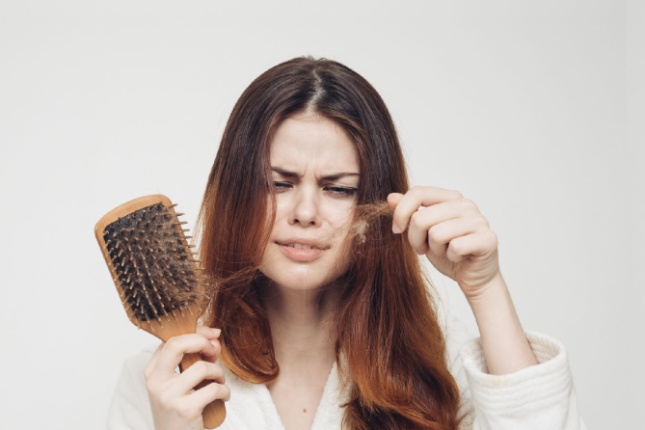
    If your hairbrush suddenly looks a lot fuller between July and September, you’re not imagining it. Clinics across Hyderabad routinely see a noticeable rise in patients complaining of hair fall through the monsoon months. It’s a real, well-documented seasonal pattern and understanding why it happens makes it much easier to manage. Best Hair Fall Treatment in Hyderabad

    Why Hair Fall Increases During Monsoon

    Hair is hygroscopic, meaning it absorbs moisture directly from humid air. During monsoon, several things happen to your scalp and hair shaft at once:

    • Hair shaft swelling: Humidity causes the outer cuticle layer to lift and swell, making hair more porous, more prone to tangling, and far more likely to snap during combing or tying.
    • Excess scalp oil and sweat: Humidity increases sebum production and sweating, creating a scalp environment that’s easier for microbes to thrive in.
    • Fungal and dandruff flare-ups: The warm, damp scalp environment is ideal for Malassezia, the yeast responsible for dandruff and seborrhoeic dermatitis — both of which weaken the hair root over time and worsen shedding.
    • Hard water and rainwater exposure: Many Hyderabad households deal with mineral-heavy water, and direct rainwater exposure can further disturb the scalp’s natural pH, leaving hair more fragile.
    • Reduced scalp circulation: Some dermatologists note that atmospheric and lifestyle changes during monsoon (reduced outdoor activity, changed routines) can subtly affect scalp blood flow, which matters for follicle nourishment.

    None of this is a single cause acting alone — monsoon hair fall is typically the combined effect of humidity, scalp hygiene, water quality, and pre-existing scalp conditions all showing up at once.

    Is This Normal Shedding, or Something Else?

    Losing 50–100 hairs a day is normal as part of the natural growth cycle, and monsoon can temporarily push this higher without it being a medical problem. However, it’s worth seeing a dermatologist rather than waiting it out if you notice:

    • Shedding that continues well past 2–3 months and doesn’t taper off with the season
    • Patchy hair loss rather than diffuse thinning
    • Persistent scalp itching, pain, or pus-filled bumps
    • A visibly widening parting or reduced density, not just “more hair in the drain”

    Seasonal shedding usually settles on its own within a few months. Anything beyond that pattern deserves a proper scalp assessment.

    How to Manage Monsoon Hair Fall — A Practical Routine

    Keep the scalp genuinely dry and clean. Damp hair left tied up or under a hood for hours is one of the biggest contributors to fungal buildup — dry your scalp properly after getting wet, and avoid tying up hair while it’s still damp.

    Wash more frequently, but gently. A mild, sulfate-free shampoo used slightly more often than your usual routine helps control excess oil and sweat without stripping the scalp. If dandruff is a recurring issue, an anti-fungal shampoo (ketoconazole or zinc pyrithione-based) used 2–3 times a week helps keep Malassezia in check.

    Minimise rainwater contact. Where possible, cover your head when stepping out, and rinse hair with clean water as soon as you can after rain exposure to reduce pollutant and pH disruption.

    Be gentle with wet hair. Wet hair is at its weakest — avoid vigorous towel-drying or brushing immediately after a wash; detangle gently with a wide-tooth comb instead.

    Don’t neglect nutrition. Iron, protein, and B-vitamin intake matter year-round, but a nutrient-poor diet compounds any seasonal scalp stress. This is worth checking if shedding feels disproportionate to what monsoon alone would explain.

    When In-Clinic Treatment Helps

    If seasonal shedding is layered on top of an existing scalp condition — dandruff that won’t clear, early pattern thinning, or a diffuse shedding pattern that isn’t improving with home care — in-clinic options can meaningfully speed things up:

    • Medicated scalp treatments for persistent dandruff or seborrhoeic dermatitis that over-the-counter shampoos haven’t resolved
    • PRP or GFC therapy to support follicle health if thinning is more than purely seasonal
    • Trichoscopy-guided diagnosis to confirm whether what looks like “monsoon hair fall” is actually an underlying condition that happens to be more visible this time of year

    The Derm Aura Approach

    At Derm Aura Skin & Hair Clinic, Banjara Hills, Dr. Suma Divya assesses whether increased shedding is genuinely seasonal or masking an underlying scalp or hormonal issue — using trichoscopy and, where needed, blood work — before recommending home-care adjustments, medicated treatment, or in-clinic therapy.

    Frequently Asked Questions

    How long does monsoon hair fall usually last? It typically peaks during the humid months and settles within 3–6 months of consistent scalp care, once the season and any related dandruff have resolved.

    Does washing hair more often during monsoon cause more hair fall? No — a mild shampoo used slightly more frequently helps control the oil and sweat buildup that actually contributes to shedding. Over-washing with harsh shampoo can dry the scalp, so the type of shampoo matters more than frequency alone.

    Should I stop oiling my hair during monsoon? Heavy oiling can trap moisture and sweat against the scalp, worsening fungal growth in humid weather. Lighter, non-comedogenic scalp treatments are usually better suited to monsoon than traditional heavy oils.

    When should I see a dermatologist instead of managing this at home? If shedding continues beyond 2–3 months, if you notice patchy hair loss, or if there’s persistent scalp itching or visible inflammation — these suggest something beyond typical seasonal shedding.

    Can monsoon hair fall cause permanent hair loss? On its own, no it’s typically temporary. But if an underlying condition (dandruff, hormonal thinning, nutritional deficiency) goes unaddressed for a long time, that underlying issue not the monsoon itself can lead to more lasting thinning.

  • Melasma Treatment in Hyderabad: What Actually Works (Q-Switch, Chemical Peels, Tranexamic Acid)

    Melasma Treatment in Hyderabad: What Actually Works (Q-Switch, Chemical Peels, Tranexamic Acid)

    Melasma is one of the most common reasons women in Hyderabad consult a dermatologist — and one of the most frustrating to treat, because it’s also one of the most over-promised. If you’ve seen ads claiming “permanent melasma removal,” it’s worth knowing upfront: no single treatment permanently switches off the pigment-producing cells responsible for melasma. What genuinely works is sustained, combination management. Here’s what the evidence actually supports. Chemical Peel Treatment Clinic in Hyderabad

    What Melasma Actually Is

    Melasma is a pigmentary condition causing symmetrical brownish patches, typically across the cheeks, forehead, upper lip, or chin — often called a “butterfly mask” because of its pattern. It’s driven by a mix of chronic sun exposure, hormonal changes (pregnancy, contraceptives), and genetic predisposition, and it’s especially common in darker skin types, including most Indian skin tones. Because the underlying pigment-producing cells remain reactive, melasma tends to recur without ongoing maintenance — which is why “one-time fix” claims don’t hold up clinically.

    Treatment Option 1: Topical Tranexamic Acid (TXA)

    Originally used to control bleeding, tranexamic acid works for melasma by inhibiting a pathway that stimulates melanin production. It’s available as a topical application, oral tablet, or — less commonly — injectable microneedling formulation, and current clinical evidence supports it as an effective, foundational part of melasma treatment, particularly for Asian and Indian skin types.

    • Topical TXA: Often combined with other depigmenting agents (azelaic acid, kojic acid, vitamin C) as part of a daily skincare routine
    • Oral TXA: Used under medical supervision, typically in combination with in-clinic procedures, for more resistant cases
    • Best for: Ongoing maintenance and as a base layer alongside other treatments — not usually a fast standalone fix

    Treatment Option 2: Chemical Peels

    Superficial chemical peels using agents like glycolic acid, kojic acid, salicylic-mandelic acid, or azelaic acid help exfoliate the upper skin layers, gradually reducing surface pigmentation. Peels are generally considered a first-line in-clinic intervention, especially for epidermal (surface-level) melasma.

    • Best for: Epidermal melasma, and as an accessible first step before considering laser
    • Realistic expectation: Multiple sessions (often 6 or more, spaced a few weeks apart) are needed, with gradual rather than dramatic improvement

    Treatment Option 3: Q-Switched Laser

    Q-Switched Nd:YAG laser — often used in “laser toning” protocols — targets melanin deposits directly, breaking down pigment particles for gradual clearance. It’s particularly useful for melasma that hasn’t responded well to topical treatment alone, and current research shows the strongest results come from combining Q-Switch laser with oral tranexamic acid rather than using either alone.

    • Best for: Dermal or mixed melasma (deeper pigment) that’s resistant to topical treatment
    • Important caution: Aggressive laser settings can trigger post-inflammatory hyperpigmentation in Indian skin types — this treatment needs to be calibrated carefully by an experienced dermatologist, not run at a generic setting

    So What Actually Works Best?

    The clearest answer from current clinical evidence: combination therapy outperforms any single treatment. A typical, evidence-based approach looks like:

    1. Foundation (ongoing, non-negotiable): Daily broad-spectrum SPF 50+, plus topical tranexamic acid and/or azelaic acid as a maintenance skincare layer
    2. First in-clinic step: Chemical peels to address surface pigmentation
    3. For resistant or deeper pigmentation: Q-Switched laser toning, often paired with oral tranexamic acid under medical supervision

    None of these fully “cures” melasma in the sense of making the underlying tendency disappear — but well-managed melasma can be kept to a level where it’s no longer noticeable day to day, which is a realistic and meaningful outcome.

    Why Sun Protection Isn’t Optional

    Sun exposure is one of the strongest triggers for melasma flare-ups, and skipping sunscreen undoes progress from even the best in-clinic treatment. In Hyderabad’s climate, daily reapplication — not just a morning application — matters more than most patients expect. This single habit is often the difference between sustained improvement and repeated relapse.

    Realistic Timeline

    • Chemical peels: gradual improvement over 6+ sessions, spaced 2–4 weeks apart
    • Q-Switch laser toning: typically 6–10 sessions for visible improvement in resistant cases
    • Topical/oral tranexamic acid: supports and maintains results, usually alongside procedures rather than instead of them
    • Maintenance: ongoing, since melasma has a tendency to recur, especially with sun exposure or hormonal changes

    The Derm Aura Approach

    At Derm Aura Skin & Hair Clinic, Banjara Hills, Dr. Suma Divya assesses whether melasma is epidermal, dermal, or mixed before recommending treatment — since this determines whether peels, laser, tranexamic acid, or a combination will actually help. Treatment plans are built around realistic, sustained results rather than one-time promises.

    Frequently Asked Questions

    Can melasma be permanently cured? Not in the sense of eliminating the underlying tendency — but with the right combination treatment and consistent sun protection, melasma can be controlled to the point of being barely noticeable, long-term.

    Is Q-Switch laser safe for Indian skin types? Yes, when used at appropriately calibrated settings by an experienced dermatologist. Indian skin (Fitzpatrick IV–V) is more prone to post-inflammatory pigmentation from aggressive laser settings, so technique and calibration matter more than the device name alone.

    How long does tranexamic acid take to show results for melasma? Topical use typically shows gradual improvement over 8–12 weeks; oral tranexamic acid, used under supervision, may show faster results but requires medical monitoring.

    Why does my melasma keep coming back after treatment? Melasma has an underlying tendency driven by genetics, hormones, and UV exposure — the pigment-producing cells remain reactive even after successful treatment, which is why ongoing sun protection and maintenance are essential, not optional.

    Are chemical peels or laser better for melasma? Neither is universally better — peels tend to suit surface (epidermal) melasma well, while laser toning is often more effective for deeper or resistant pigmentation. Many patients benefit from a combination, guided by a proper diagnosis.

  • HydraFacial vs Chemical Peel: Which Suits Hyderabad’s Pollution and Heat?

    HydraFacial vs Chemical Peel: Which Suits Hyderabad’s Pollution and Heat?

    Hyderabad’s skin challenges are fairly specific: heat and humidity that push oil and sweat production up, traffic pollution that leaves a layer of grime on the skin by evening, and enough sun exposure to keep pigmentation a near year-round concern. HydraFacial and chemical peels are the two most commonly recommended treatments for this combination but they work in genuinely different ways, and picking the wrong one for your actual concern is one of the most common reasons people feel “this didn’t do anything.” Advanced Hair Treatment in Hyderabad

    How Each Treatment Actually Works

    HydraFacial is a device-based, non-chemical treatment. A vortex suction tool mechanically cleanses, exfoliates, and extracts debris from pores, while simultaneously infusing hydrating serums — antioxidants, peptides, hyaluronic acid — into the skin. There’s no acid-driven peeling process; it’s mechanical exfoliation plus hydration in one session.

    Chemical peels use an acid solution (glycolic, salicylic, lactic, mandelic, or TCA, depending on strength and target) to dissolve the bonds holding damaged outer skin cells together, causing controlled shedding. This is a more corrective process — the acid deliberately creates a mild, controlled injury that triggers skin renewal from underneath over the following days.

    In short: HydraFacial hydrates and gently clears; peels resurface and correct.

    Which One for Which Hyderabad-Specific Concern

    Pollution buildup and dullness

    HydraFacial is generally the better fit here. Its deep-cleansing, pore-clearing action is well suited to daily pollution and oil buildup, and the immediate hydration counters the dehydrating effect of heat and air conditioning without any downtime.

    Pigmentation, sun tan, and dark spots

    Chemical peels tend to outperform HydraFacial for actual pigment correction. The acids accelerate cell turnover and directly target melanin-related discoloration, which is why peels not HydraFacial alone are typically recommended for sun tan, post-acne marks, and early pigmentation.

    Active acne and clogged pores

    HydraFacial’s gentle, non-irritating extraction is often better tolerated on active acne than a peel, which can be more aggravating on inflamed skin. A salicylic acid peel, however, may be introduced once acne is more controlled, since salicylic acid is specifically effective on oily, acne-prone skin.

    Overall texture and fine lines

    Peels have a slight edge for longer-term texture improvement, since the controlled shedding process stimulates more meaningful renewal underneath. HydraFacial delivers instant glow but is more of a maintenance treatment than a corrective one for texture.

    Downtime: The Practical Difference

    This matters more in Hyderabad’s climate than people expect:

    • HydraFacial: No downtime. Skin may look slightly pink for a couple of hours, then settles into a visible glow. You can go straight back to a normal day, including sun exposure (with sunscreen).
    • Chemical peels: Some redness or peeling for a few days to two weeks, depending on peel depth. Freshly peeled skin is significantly more UV-sensitive — combined with Hyderabad’s sun intensity, this makes strict sun avoidance and SPF non-negotiable for at least 1–2 weeks after a peel.

    If you have an event in the next few days, HydraFacial is the safer choice. If you can plan around a short recovery window, a peel delivers more corrective value.

    Can You Do Both?

    Yes — many dermatologist-led treatment plans alternate between the two, typically every 4–6 weeks, based on what the skin needs at that point: peels when correction is the priority, HydraFacial for maintenance and glow in between. This combined approach is common and often more effective than relying on either treatment exclusively.

    A Quick Way to Decide

    • Want instant glow before an event, with zero downtime? HydraFacial.
    • Trying to actually fade pigmentation, tan, or acne marks? Chemical peel, ideally dermatologist-guided rather than a generic salon peel.
    • Dealing with both dullness and stubborn pigmentation? A combination plan, alternating between the two.
    • Have active, inflamed acne right now? Start with HydraFacial; introduce peels once inflammation settles.

    Why the Dermatologist Matters More Than the Treatment Name

    A poorly matched peel strength on Indian skin can create new pigment irregularities instead of fixing existing ones — this is one of the most common complaints from unsupervised or salon-administered peels. A dermatologist selects peel type and strength based on your actual skin type and concern, rather than applying a one-size-fits-all protocol.

    The Derm Aura Approach

    At Derm Aura Skin & Hair Clinic, Banjara Hills, Dr. Suma Divya assesses your skin concern — pigmentation, dullness, acne, or texture — before recommending HydraFacial, a specific chemical peel, or an alternating combination plan suited to Hyderabad’s climate and your skin type.

    Frequently Asked Questions

    Is HydraFacial or chemical peel better for pigmentation? Chemical peels are generally more effective for pigmentation and dark spots, since the acids directly accelerate cell turnover and reduce melanin-related discoloration. HydraFacial supports overall skin health but isn’t the primary corrective tool for pigmentation.

    Can I get a HydraFacial and chemical peel in the same month? Yes, many treatment plans alternate between the two every 4–6 weeks based on your skin’s needs, though not typically in the same session.

    Does chemical peel downtime matter more in Hyderabad’s heat? Yes — post-peel skin is more UV-sensitive, and Hyderabad’s sun intensity makes strict sunscreen use and reduced sun exposure especially important for 1–2 weeks after a peel.

    Is HydraFacial enough to treat sun tan on its own? Not typically for established tan — HydraFacial helps with surface dullness and hydration, but a chemical peel or laser toning is usually needed to meaningfully reduce tan-related pigmentation.

    How often should I get a HydraFacial in Hyderabad’s pollution? Most people benefit from a HydraFacial every 4–6 weeks as a maintenance treatment, though this can be adjusted based on your skin’s oil and pollution exposure.

  • Hair Fall Treatment Cost in Hyderabad 2026 (PRP, GFC, Transplant)

    Hair Fall Treatment Cost in Hyderabad 2026 (PRP, GFC, Transplant)

    One of the most common questions dermatologists hear in Hyderabad isn’t “will this work” it’s “what will this actually cost me.” Hair fall treatment pricing varies enormously between clinics, and the range itself is confusing: PRP can cost anywhere from ₹4,000 to ₹9,000 a session, and a hair transplant quote might range from ₹60,000 to over ₹3,00,000. Here’s what actually drives that spread, and realistic 2026 pricing for each option in Hyderabad.

    Why Hair Fall Treatment Costs Vary So Much

    Before the numbers: the biggest cost driver isn’t the treatment name, it’s who is performing it. Clinics led by board-certified dermatologists with FDA-approved equipment and proper protocols charge more per session or per graft than technician-led, high-volume centres — and the difference shows up in graft survival, complication rates, and how natural the results look. A quote significantly below market range is a signal to ask more questions, not a bargain. Hair Transplant Treatment in Hyderabad

    PRP (Platelet-Rich Plasma) Cost in Hyderabad

    DetailTypical Range
    Cost per session₹4,000 – ₹9,000
    Sessions needed4–6, spaced 4 weeks apart
    Total cost (full course)₹16,000 – ₹45,000
    Best suited forEarly to moderate hair thinning

    PRP is usually the entry point for non-surgical hair fall treatment and tends to be priced lower than GFC because the blood processing step is simpler.

    GFC (Growth Factor Concentrate) Cost in Hyderabad

    DetailTypical Range
    Cost per session₹6,000 – ₹12,000
    Sessions needed3–4, spaced 4–6 weeks apart
    Total cost (full course)₹18,000 – ₹48,000
    Best suited forModerate hair loss, or if PRP alone hasn’t worked

    GFC costs more per session than PRP because of the more advanced processing used to isolate concentrated growth factors — but it often needs fewer sessions overall, which narrows the total cost gap.

    Hair Transplant Cost in Hyderabad

    This is where pricing spreads the widest, because it depends heavily on graft count and technique.

    TechniquePer-Graft CostTypical Total Cost
    FUE (Follicular Unit Extraction)₹40 – ₹80₹80,000 – ₹2,50,000
    DHI (Direct Hair Implantation)₹55 – ₹120₹1,00,000 – ₹3,00,000+
    FUT (strip method)Lower per graft, less common today₹60,000 – ₹1,50,000

    Graft count depends on the stage of baldness (Norwood scale). Early-stage thinning may need 1,000–2,000 grafts; more advanced hair loss can require 3,500–5,000+ grafts, sometimes across two sessions.

    Watch for per-graft rates under ₹30–35. This usually signals technician-led extraction rather than a doctor-performed procedure, which is linked to lower graft survival (as low as 50–60%, versus 90%+ at properly run clinics) — a cheaper quote can end up costing more if a repeat procedure is needed later.

    What Should Be Included in a Transparent Quote

    Before comparing prices between clinics, confirm the quote includes:

    • Pre-treatment consultation and scalp/trichoscopy assessment
    • All sessions required for the recommended course, not just the first
    • Post-procedure medication
    • Follow-up visits
    • GST (often billed separately and easy to miss in a headline number)

    A genuinely all-inclusive quote is more useful than the lowest per-session or per-graft number on its own.

    PRP vs GFC vs Transplant: Which Is the Right Spend?

    • Early, diffuse thinning: PRP is usually the most cost-effective starting point.
    • Moderate thinning, or no response to PRP: GFC, often combined with medical therapy.
    • Stable, advanced baldness with a clear bald area: Hair transplant is the only option that restores hair permanently in that zone — PRP/GFC support the surrounding hair but don’t regrow hair in areas with no active follicles.

    The only way to know which category you’re actually in is a proper scalp assessment — cost estimates without a diagnosis first are, at best, a rough starting point.

    Getting an Honest Quote at Derm Aura

    At Derm Aura Skin & Hair Clinic, Banjara Hills, every hair fall consultation with Dr. Suma Divya starts with a scalp assessment and, where relevant, blood work — before any cost discussion. You’ll get a session-wise, itemised quote based on what your hair loss stage actually needs, not a package sold on the first visit.

    Frequently Asked Questions

    What is the cheapest effective hair fall treatment in Hyderabad? For early-stage thinning, PRP is usually the most affordable clinically effective option, starting around ₹4,000 per session.

    Is a ₹25,000 full hair transplant too cheap to be safe? For a meaningful graft count, this typically indicates a technician-led, lower-cost clinic. It’s not automatically unsafe, but graft survival rates tend to be lower, so ask specifically who performs the extraction and implantation.

    Does insurance cover hair fall treatment in India? No — PRP, GFC, and hair transplants are considered cosmetic/elective procedures and are not covered by standard health insurance in India.

    How much does a full PRP course cost in total? A full course of 4–6 sessions typically totals ₹16,000–₹45,000, depending on the clinic and number of sessions recommended.

    Can I get an EMI or payment plan for hair transplant costs? Many Hyderabad clinics, including larger procedures at Derm Aura, offer instalment options — ask during your consultation.

  • GFC vs PRP for Hair Loss: Which One Actually Works? (Cost, Sessions, Results)

    GFC vs PRP for Hair Loss: Which One Actually Works? (Cost, Sessions, Results)

    If you’ve been researching hair fall treatments in Hyderabad, you’ve likely run into two acronyms everywhere: PRP and GFC. Both use your own blood to stimulate hair growth, both are non-surgical, and both are heavily marketed which makes it genuinely confusing to know which one actually applies to your situation. Here’s a straightforward, clinical breakdown of how they differ, what they cost, and which one tends to suit which stage of hair loss. Best GFC Hair Treatment in Hyderabad

    What Is PRP Hair Treatment?

    PRP (Platelet-Rich Plasma) involves drawing a small sample of your blood, spinning it in a centrifuge to concentrate the platelets, and injecting that platelet-rich portion into the scalp. Platelets release growth factors that improve blood supply to hair follicles and can help slow shedding and support regrowth in follicles that are still active but weakening.

    Best suited for: early-stage hair thinning, diffuse shedding, and as a supportive treatment alongside medical therapy for pattern hair loss.

    What Is GFC Hair Treatment?

    GFC (Growth Factor Concentrate) is a more refined version of the same idea. Blood is processed further to isolate a purer concentration of growth factors, stripping out red blood cells and other components that aren’t directly useful for follicle stimulation. The result is a more concentrated, more targeted injection. PRP Hair Treatment in Hyderabad

    Best suited for: moderate hair thinning, cases where PRP alone hasn’t produced enough improvement, and patients wanting fewer sessions overall.

    GFC vs PRP: Side-by-Side Comparison

    PRPGFC
    What’s injectedConcentrated platelets + plasmaPurified growth factors, minus red blood cells
    Cost per session (Hyderabad)₹4,000 – ₹9,000₹6,000 – ₹12,000
    Sessions typically needed4–6 sessions, 4 weeks apart3–4 sessions, 4–6 weeks apart
    Time to see results3–4 monthsSlightly faster, often 2–3 months
    Discomfort levelMild to moderateMild to moderate
    Best forEarly to moderate hair thinningModerate hair loss, or non-responders to PRP

    Costs vary by clinic, number of sessions in a package, and severity of hair loss — always get a session-wise quote after diagnosis, not a flat headline price.

    So Which One Actually Works Better?

    Neither treatment is universally “better” the right choice depends on three things:

    1. Stage of hair loss. Very early thinning often responds well to PRP alone, sometimes combined with topical or oral treatment. More advanced miniaturisation of follicles tends to respond better to GFC’s higher concentration.
    2. Response to previous treatment. If you’ve already tried PRP with limited results, GFC is often the next step rather than repeating the same approach.
    3. Underlying cause. Both treatments support follicle health, but neither fixes an underlying issue like thyroid imbalance, iron deficiency, or PCOS. That’s why diagnosis has to come before either is recommended.

    A dermatologist should be assessing your scalp with trichoscopy and, where relevant, blood work — before suggesting either option. Be cautious of any clinic recommending a treatment package on the first visit without this.

    Realistic Expectations

    • Visible reduction in hair fall usually appears before visible regrowth — expect the shedding to slow first.
    • Full results are typically judged at 6 months, not after one or two sessions.
    • Maintenance sessions every few months are common for sustained results with both PRP and GFC.
    • Combination approaches (PRP/GFC alongside medical therapy) often outperform either treatment alone for pattern hair loss.

    Getting This Right at Derm Aura

    At Derm Aura Skin & Hair Clinic, Banjara Hills, Dr. Suma Divya — a dermatologist and trichologist with over a decade of clinical experience — evaluates every hair fall case with a scalp assessment before recommending PRP, GFC, or a combination plan. The goal is matching the treatment to the actual cause and stage of hair loss, not defaulting to whichever treatment has the highest session count.

    Frequently Asked Questions

    Is GFC better than PRP for hair loss? Not universally — GFC uses a more concentrated growth factor extract and may need fewer sessions, but PRP remains effective for early-stage thinning. The right choice depends on your diagnosis.

    Can I switch from PRP to GFC if I don’t see results? Yes, this is common. Many patients who see limited improvement with PRP move to GFC, which delivers a higher concentration of growth factors per session.

    How much does GFC hair treatment cost in Hyderabad? Typically ₹6,000–₹12,000 per session, depending on the clinic and number of sessions recommended. PRP usually costs ₹4,000–₹9,000 per session.

    Are PRP and GFC painful? Both involve injections into the scalp after a topical numbing cream, so discomfort is generally mild and manageable.

    How many sessions of PRP or GFC will I need? Most patients need 3–6 sessions spaced 4–6 weeks apart, followed by maintenance sessions every few months.

  • Female Hair Thinning After 30: Causes and Non-Surgical Fixes

    Female Hair Thinning After 30: Causes and Non-Surgical Fixes

    Somewhere in their early-to-mid 30s, a lot of women notice the same thing: the ponytail feels thinner, the centre parting looks wider, and there’s more hair in the shower drain than there used to be. It’s easy to dismiss it as stress or “just getting older,” but hair thinning in your 30s almost always has an identifiable cause — and most causes are manageable once correctly diagnosed. Here’s what’s actually going on, and which non-surgical treatments genuinely help. Advanced Hair Treatment in Hyderabad

    Why 30 Is a Common Turning Point

    Estrogen plays a protective role in keeping hair follicles in their active growth phase for longer. As women move through their 30s, hormonal fluctuations — from lifestyle stress, pregnancy and postpartum changes, or the early stages of perimenopause — become more common, and hair follicles are particularly sensitive to these shifts. The result is usually gradual, diffuse thinning rather than sudden bald patches, which is exactly why it often goes unnoticed until it’s fairly advanced.

    The Most Common Causes

    1. PCOS (Polycystic Ovary Syndrome)

    PCOS is one of the leading hormonal causes of hair thinning in Indian women, affecting a significant share of women of reproductive age. Elevated androgen levels can miniaturise hair follicles, leading to thinning at the crown and a widening centre part — often alongside other signs like acne, irregular periods, or increased facial/body hair.

    2. Thyroid Dysfunction

    Both an underactive thyroid (hypothyroidism) and an overactive one (hyperthyroidism) disrupt the hair growth cycle. Thyroid-related hair loss tends to be diffuse across the whole scalp rather than concentrated at the crown, and it’s often accompanied by fatigue, weight changes, or skin dryness.

    3. Iron Deficiency

    Low ferritin (the body’s iron storage protein) is one of the most common nutritional causes of hair thinning in Indian women — driven by heavy menstrual cycles, vegetarian diets low in absorbable iron, and pregnancy. Hair can thin noticeably even before iron deficiency becomes severe enough to cause other symptoms.

    4. Telogen Effluvium (Stress-Related Shedding)

    A physically or emotionally stressful event — illness, major life stress, crash dieting, surgery, or childbirth — can push a large number of follicles into the resting (telogen) phase at once. This causes noticeable diffuse shedding roughly 2–3 months after the triggering event, and usually improves once the underlying stressor resolves.

    5. Postpartum Hair Loss

    Elevated estrogen during pregnancy keeps more hair in the growth phase than usual. After delivery, estrogen drops sharply, and all that extra hair enters the shedding phase at once — typically 2–4 months postpartum. This is one of the most common (and most temporary) causes of female hair thinning, but it can still benefit from supportive treatment.

    6. Female Pattern Hair Loss (Genetic)

    Similar in mechanism to male pattern baldness, this is a hereditary sensitivity of hair follicles to hormones, causing progressive thinning at the crown and part line. It tends to run in families and, unlike telogen effluvium, doesn’t resolve on its own — it needs ongoing management.

    Early Signs Worth Acting On

    • A centre part that looks noticeably wider than it used to
    • Reduced ponytail thickness compared to a few years ago
    • More visible scalp under bright light
    • Increased strands on your pillow, brush, or in the shower

    Normal daily hair shedding is around 50–100 strands — the concern is a sustained increase in shedding or a visible drop in density, not the occasional bad hair day.

    Getting the Diagnosis Right

    Because thinning after 30 has several overlapping causes, treatment that skips diagnosis rarely works long-term. A proper workup typically includes:

    • Trichoscopy (scalp and follicle examination)
    • Blood tests: thyroid panel (TSH, T3, T4), ferritin/iron studies, and — where PCOS is suspected — a hormonal panel
    • A menstrual and medical history review

    Non-Surgical Treatment Options

    Addressing the Root Cause

    • Thyroid or PCOS management — often in coordination with an endocrinologist or gynaecologist, alongside dermatological care
    • Iron and nutrient correction — supplementation guided by actual blood levels, not guesswork
    • Stress-related shedding — usually resolves within 6–9 months once the trigger passes, sometimes supported by in-clinic treatment to speed recovery

    In-Clinic Treatments

    • PRP (Platelet-Rich Plasma): supports follicle health and is often used for early diffuse thinning
    • GFC (Growth Factor Concentrate): a more concentrated option for moderate thinning or when PRP alone hasn’t been enough
    • Medical therapy: topical or oral treatments prescribed based on the specific diagnosis — not a one-size-fits-all product

    Combination approaches — correcting the underlying cause and supporting follicles in-clinic — consistently give better results than either approach alone.

    What to Expect, Realistically

    Hair growth is slow by nature. Even with the right treatment, most women notice reduced shedding within 2–3 months and visible density improvement over 6–12 months. Thinning caused by a treatable trigger (postpartum, iron deficiency, acute stress) tends to respond faster and more completely than thinning with a genetic component, which is managed rather than fully reversed.

    How Derm Aura Approaches Female Hair Thinning

    At Derm Aura Skin & Hair Clinic, Banjara Hills, Dr. Suma Divya — a dermatologist and trichologist with over a decade of experience — evaluates female hair thinning with a full trichoscopic assessment and relevant blood work before recommending a treatment plan, whether that’s medical management, PRP/GFC, or a combination approach.

    Frequently Asked Questions

    Is hair thinning after 30 normal for women? Some gradual change is common, but a noticeably widening part, reduced ponytail thickness, or increased shedding usually points to an identifiable and treatable cause — it’s worth getting evaluated rather than assuming it’s simply age.

    Can PCOS-related hair loss be reversed? It can often be significantly improved once the underlying hormonal imbalance is managed, combined with supportive in-clinic treatment. Full reversal varies by individual and how early treatment starts.

    How do I know if my hair loss is stress-related or hormonal? Stress-related shedding (telogen effluvium) usually follows a specific triggering event by 2–3 months and improves on its own over several months. Hormonal thinning tends to be more gradual and persistent, and blood tests can help distinguish the two.

    Do I need blood tests before starting hair fall treatment? Ideally, yes. Thyroid, ferritin, and — where relevant — hormonal panels help identify the actual cause, so treatment isn’t guesswork.

    Is PRP or GFC effective for hormonal hair thinning? Both can support follicle health and improve density, but they work best alongside treatment of the underlying hormonal cause rather than as a standalone fix.

  • Dandruff vs Scalp Psoriasis: How to Tell the Difference

    Dandruff vs Scalp Psoriasis: How to Tell the Difference

    Flaky, itchy scalp is one of the most common reasons people search for a dermatologist and one of the most commonly self-misdiagnosed. Most of the time, it’s ordinary dandruff and clears up with the right shampoo. But a meaningful number of people treating “stubborn dandruff” for months are actually dealing with scalp psoriasis, which needs a completely different approach. Here’s how to actually tell them apart. Best Dandruff Treatment Doctors in Hyderabad

    The Core Difference

    Dandruff is caused by Malassezia, a yeast that lives naturally on everyone’s scalp. When it overgrows — often triggered by excess oil, hormonal changes, or reduced washing frequency — it speeds up skin cell turnover, producing flakes. It’s a scalp-specific, largely cosmetic condition.

    Scalp psoriasis is a chronic autoimmune condition, not an infection. The immune system mistakenly attacks healthy skin cells and tells them to regenerate far faster than normal, producing thick, built-up plaques. It’s often part of a broader psoriasis pattern that can appear elsewhere on the body, not just the scalp.

    They can look similar at a glance — both cause flaking and itching — but the underlying mechanism, appearance, and treatment are genuinely different.

    Side-by-Side Comparison

    DandruffScalp Psoriasis
    Flake appearanceLoose, fine, white-to-yellow, often greasyThick, silvery-white plaques, more firmly attached
    Scalp appearance underneathMild redness, oily patchesRaised, well-defined red/violet/brown patches with sharp edges
    Itch qualityPresent but usually mildOften more intense, sometimes with soreness or a burning sensation
    Where it appearsScalp, sometimes eyebrows or facial hairScalp, often extending past the hairline to forehead, ears, or neck
    Bleeding when scratchedUncommonPossible — pinpoint bleeding when plaques are scratched or lifted
    Spreads beyond scalpNoOften yes — elbows, knees, or nails may also be affected
    Nail changesNonePitting or yellow discoloration possible
    Typical courseComes and goes, often resolves with anti-dandruff shampooChronic, flares and remits over months or years
    Response to OTC shampooUsually improves within 2–3 weeksOften persists or only partially improves

    A Simple Way to Check

    1. Look at the flake itself. Loose and oily = more likely dandruff. Thick, silvery, and stuck to the scalp = more likely psoriasis.
    2. Check for a defined edge. Psoriasis patches tend to have sharp, raised borders. Dandruff-related redness is more diffuse and blends into surrounding skin.
    3. See where else it shows up. Flaking limited strictly to the scalp leans dandruff. Similar patches on elbows, knees, lower back, or nail changes strongly suggest psoriasis.
    4. Track your response to treatment. If a proper anti-dandruff shampoo (zinc pyrithione or ketoconazole-based, used consistently for 2–3 weeks) doesn’t meaningfully help, that’s a signal to see a dermatologist rather than switching shampoos again.

    Why Getting This Right Matters

    Treating scalp psoriasis as if it were dandruff usually means months of frustration with over-the-counter shampoos that were never going to address an autoimmune process. Meanwhile, undiagnosed scalp psoriasis that flares repeatedly can contribute to hair thinning in the affected areas, and untreated flares tend to worsen with common triggers like stress, dry weather, or scratching.

    Conversely, dandruff doesn’t need — and won’t particularly respond to — the prescription-strength treatments used for psoriasis. Getting the diagnosis right the first time saves both time and unnecessary treatment.

    Treatment Approaches

    For dandruff:

    • Medicated shampoos containing zinc pyrithione, ketoconazole, or selenium sulfide
    • Reducing scalp oil buildup with appropriate wash frequency
    • Addressing any underlying triggers (hormonal changes, product buildup)

    For scalp psoriasis:

    • Prescription topical treatments — often corticosteroids, vitamin D analogues, or coal tar-based formulations
    • Medicated shampoos to help lift plaques, used alongside — not instead of — prescribed treatment
    • Management of known triggers: stress, skin injury, certain infections
    • For more extensive or resistant cases, systemic or advanced dermatological treatment options

    When to See a Dermatologist

    • Flaking or itching hasn’t improved after 2–3 weeks of consistent anti-dandruff shampoo use
    • You notice thick, raised patches with defined edges
    • Scaling extends beyond the hairline to the forehead, ears, or neck
    • You have similar patches elsewhere on the body, or nail changes
    • Scratching causes bleeding or the area feels sore rather than just itchy

    The Derm Aura Approach

    At Derm Aura Skin & Hair Clinic, Banjara Hills, Dr. Suma Divya examines the scalp directly to distinguish dandruff, seborrhoeic dermatitis, and scalp psoriasis before recommending treatment — since each requires a different approach, and getting the diagnosis right the first time avoids months of trial and error.

    Frequently Asked Questions

    Can scalp psoriasis be mistaken for severe dandruff? Yes, this is a common misdiagnosis, especially in milder cases. The clearest signs of psoriasis are thicker, more firmly attached scales, sharply defined patches, and flaking that extends past the hairline.

    Does scalp psoriasis cause hair loss? Psoriasis itself doesn’t usually destroy hair follicles, but repeated flares, inflammation, and scratching can contribute to temporary hair thinning in affected areas. Hair typically regrows once the flare is controlled.

    Is scalp psoriasis contagious? No. It’s an autoimmune condition, not an infection, so it cannot be spread to others.

    Can dandruff turn into scalp psoriasis? No — they’re different conditions with different causes. However, both can coexist, and it’s possible to have psoriasis alongside ordinary dandruff, which can make self-diagnosis harder.

    What if anti-dandruff shampoo isn’t working at all? If symptoms persist beyond 2–3 weeks of consistent use, it’s worth getting a dermatologist’s assessment rather than trying more over-the-counter products — persistent symptoms are the main flag for scalp psoriasis or another underlying condition.

  • Botox vs Fillers: What’s Right for Indian Skin in Your 30s?

    Botox vs Fillers: What’s Right for Indian Skin in Your 30s?

    Your 30s are usually when the questions start: is that a permanent line now, or does it still go away when I stop frowning? Why do my cheeks look flatter than a few years ago? Botox and fillers are the two most commonly recommended answers — and they’re frequently confused as interchangeable, when they actually address two completely different aging mechanisms. Getting this distinction right (and understanding how it applies to Indian skin specifically) makes the difference between a natural refresh and an outcome that looks “off.” Botox Treatment in Hyderabad

    Two Different Aging Problems, Two Different Solutions

    Facial aging happens through several overlapping processes: repeated muscle movement creates expression lines, collagen and elastin decline making skin thinner and less resilient, and underlying fat pads and even bone structure gradually lose volume. Botox and fillers were developed for different parts of this problem — which is exactly why one can’t substitute for the other.

    Botox: For Movement-Related Lines

    Botox is a neuromodulator that temporarily relaxes the specific muscles responsible for expression lines. It doesn’t add anything to the face — it reduces the repetitive movement that creates and deepens lines over time.

    Best for: Forehead lines, frown lines between the eyebrows, crow’s feet, and lines that appear only when you make an expression (these are called “dynamic” lines — the ones that are visible even at rest are “static,” and Botox is less effective on those alone).

    Fillers: For Volume Loss

    Dermal fillers are injectable gels that restore lost volume and support facial contours. As fat pads thin and shift starting in the late 20s through the 30s, cheeks can look flatter, under-eyes more hollow, and nasolabial folds (smile lines) more pronounced — none of which Botox addresses, because there’s no muscle movement causing it.

    Best for: Restoring cheek volume, softening deep static lines, under-eye hollows, and lip or jawline contouring.

    Why This Matters Specifically for Indian Skin

    A few things about facial aging in Indian skin tend to shape which treatment (or combination) makes more sense in your 30s:

    • Volume loss can show earlier relative to fine lines. Many Indian faces show early flattening in the cheeks and under-eye area before dynamic lines become prominent — which means fillers, not Botox, are sometimes the more relevant first step, contrary to what generic “anti-aging” content assumes.
    • Skin thickness and pigmentation risk affect injection technique. Indian skin (Fitzpatrick IV–V) has a higher tendency toward post-inflammatory pigmentation from any injectable trauma, so technique and injector experience matter more than in lighter skin types — this is not a treatment to have done by someone without proper dermatological training.
    • Sun exposure accelerates collagen loss. Given year-round UV exposure in most Indian cities, skin quality (thickness, elasticity) often needs as much attention as the specific lines or volume loss — meaning a good treatment plan usually includes skin-quality-focused options (like skin boosters or microneedling) alongside or before injectables.

    How to Decide: A Simple Framework

    • “My frown lines are there even when I’m not frowning, but my cheeks still have volume” → Start with Botox, focused on the expression lines.
    • “My cheeks look flatter than a few years ago, or I look tired even when rested” → Fillers, focused on volume restoration.
    • “I have both — early static lines and some volume loss” → A combination approach, which most dermatologists find gives the most natural, balanced result rather than over-treating one concern.
    • “I don’t have visible lines yet, but I want to prevent them” → “Preventive” or low-dose Botox in the early-to-mid 30s is increasingly common, based on the idea that relaxing a muscle before a line becomes etched tends to need less product over time than starting after the line is established.

    What Results Actually Look Like

    Both treatments are temporary — Botox typically lasts 3–4 months, fillers 6–18 months depending on the product and area. Neither is a one-time, permanent fix; ongoing treatment every few months (Botox) or 6+ months (fillers) is the norm, not a sign something went wrong.

    Done well, neither should look obviously “done.” The goal in your 30s is usually subtle — softened lines and refreshed volume, not a visibly changed face. This is where injector skill matters more than the product itself.

    Safety Considerations

    • Confirm the product used (Botox and fillers should be FDA-approved/CDSCO-approved formulations, not unbranded alternatives)
    • Ask about the injector’s qualifications — this should be performed by a dermatologist or appropriately trained medical professional, not a beautician
    • A proper consultation should assess your specific facial anatomy and ageing pattern before recommending a treatment, not default to whichever is being promoted that month

    The Derm Aura Approach

    At Derm Aura Skin & Hair Clinic, Banjara Hills, Dr. Suma Divya assesses whether your concern is primarily dynamic lines, volume loss, or both, before recommending Botox, fillers, or a combined approach — with technique calibrated for Indian skin’s specific pigmentation and thickness considerations.

    Frequently Asked Questions

    Should I get Botox or fillers first in my early 30s? It depends on what you’re seeing — if it’s mainly expression lines (forehead, frown lines), Botox is usually the starting point. If it’s flattening or hollowing (cheeks, under-eyes), fillers address that more directly. A consultation can clarify which applies to you.

    How long do Botox and fillers actually last? Botox typically lasts 3–4 months; fillers generally last 6–18 months depending on the product and treatment area.

    Can Botox and fillers be combined in one visit? Yes, this is common and often gives more balanced, natural results than either treatment alone, since they address different aging mechanisms.

    Is it safe to start Botox in your early 30s if I don’t have visible lines yet? Many dermatologists support low-dose “preventive” Botox in the early-to-mid 30s for people prone to deep expression lines, though it’s not necessary for everyone — this is worth discussing individually rather than following a generic age rule.

    Are Botox and fillers riskier for Indian/darker skin tones? The treatments themselves aren’t inherently riskier, but darker skin types have a higher tendency toward post-inflammatory pigmentation from any injection trauma, which makes injector experience and technique especially important.

Need Help?