
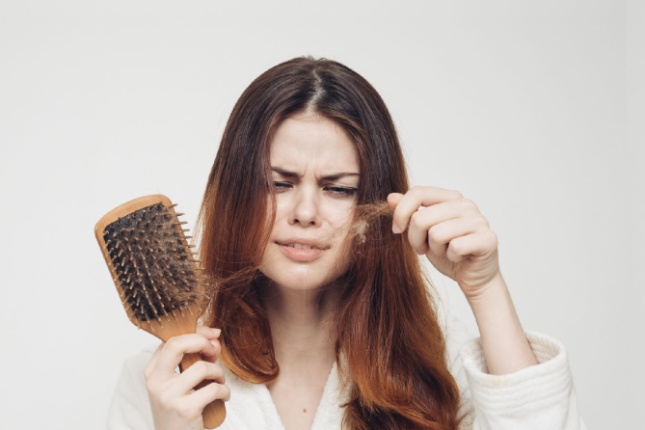
If your hairbrush suddenly looks a lot fuller between July and September, you’re not imagining it. Clinics across Hyderabad routinely see a noticeable rise in patients complaining of hair fall through the monsoon months. It’s a real, well-documented seasonal pattern and understanding why it happens makes it much easier to manage. Best Hair Fall Treatment in Hyderabad
Why Hair Fall Increases During Monsoon
Hair is hygroscopic, meaning it absorbs moisture directly from humid air. During monsoon, several things happen to your scalp and hair shaft at once:
- Hair shaft swelling: Humidity causes the outer cuticle layer to lift and swell, making hair more porous, more prone to tangling, and far more likely to snap during combing or tying.
- Excess scalp oil and sweat: Humidity increases sebum production and sweating, creating a scalp environment that’s easier for microbes to thrive in.
- Fungal and dandruff flare-ups: The warm, damp scalp environment is ideal for Malassezia, the yeast responsible for dandruff and seborrhoeic dermatitis — both of which weaken the hair root over time and worsen shedding.
- Hard water and rainwater exposure: Many Hyderabad households deal with mineral-heavy water, and direct rainwater exposure can further disturb the scalp’s natural pH, leaving hair more fragile.
- Reduced scalp circulation: Some dermatologists note that atmospheric and lifestyle changes during monsoon (reduced outdoor activity, changed routines) can subtly affect scalp blood flow, which matters for follicle nourishment.
None of this is a single cause acting alone — monsoon hair fall is typically the combined effect of humidity, scalp hygiene, water quality, and pre-existing scalp conditions all showing up at once.
Is This Normal Shedding, or Something Else?
Losing 50–100 hairs a day is normal as part of the natural growth cycle, and monsoon can temporarily push this higher without it being a medical problem. However, it’s worth seeing a dermatologist rather than waiting it out if you notice:
- Shedding that continues well past 2–3 months and doesn’t taper off with the season
- Patchy hair loss rather than diffuse thinning
- Persistent scalp itching, pain, or pus-filled bumps
- A visibly widening parting or reduced density, not just “more hair in the drain”
Seasonal shedding usually settles on its own within a few months. Anything beyond that pattern deserves a proper scalp assessment.
How to Manage Monsoon Hair Fall — A Practical Routine
Keep the scalp genuinely dry and clean. Damp hair left tied up or under a hood for hours is one of the biggest contributors to fungal buildup — dry your scalp properly after getting wet, and avoid tying up hair while it’s still damp.
Wash more frequently, but gently. A mild, sulfate-free shampoo used slightly more often than your usual routine helps control excess oil and sweat without stripping the scalp. If dandruff is a recurring issue, an anti-fungal shampoo (ketoconazole or zinc pyrithione-based) used 2–3 times a week helps keep Malassezia in check.
Minimise rainwater contact. Where possible, cover your head when stepping out, and rinse hair with clean water as soon as you can after rain exposure to reduce pollutant and pH disruption.
Be gentle with wet hair. Wet hair is at its weakest — avoid vigorous towel-drying or brushing immediately after a wash; detangle gently with a wide-tooth comb instead.
Don’t neglect nutrition. Iron, protein, and B-vitamin intake matter year-round, but a nutrient-poor diet compounds any seasonal scalp stress. This is worth checking if shedding feels disproportionate to what monsoon alone would explain.
When In-Clinic Treatment Helps
If seasonal shedding is layered on top of an existing scalp condition — dandruff that won’t clear, early pattern thinning, or a diffuse shedding pattern that isn’t improving with home care — in-clinic options can meaningfully speed things up:
- Medicated scalp treatments for persistent dandruff or seborrhoeic dermatitis that over-the-counter shampoos haven’t resolved
- PRP or GFC therapy to support follicle health if thinning is more than purely seasonal
- Trichoscopy-guided diagnosis to confirm whether what looks like “monsoon hair fall” is actually an underlying condition that happens to be more visible this time of year
The Derm Aura Approach
At Derm Aura Skin & Hair Clinic, Banjara Hills, Dr. Suma Divya assesses whether increased shedding is genuinely seasonal or masking an underlying scalp or hormonal issue — using trichoscopy and, where needed, blood work — before recommending home-care adjustments, medicated treatment, or in-clinic therapy.
Frequently Asked Questions
How long does monsoon hair fall usually last? It typically peaks during the humid months and settles within 3–6 months of consistent scalp care, once the season and any related dandruff have resolved.
Does washing hair more often during monsoon cause more hair fall? No — a mild shampoo used slightly more frequently helps control the oil and sweat buildup that actually contributes to shedding. Over-washing with harsh shampoo can dry the scalp, so the type of shampoo matters more than frequency alone.
Should I stop oiling my hair during monsoon? Heavy oiling can trap moisture and sweat against the scalp, worsening fungal growth in humid weather. Lighter, non-comedogenic scalp treatments are usually better suited to monsoon than traditional heavy oils.
When should I see a dermatologist instead of managing this at home? If shedding continues beyond 2–3 months, if you notice patchy hair loss, or if there’s persistent scalp itching or visible inflammation — these suggest something beyond typical seasonal shedding.
Can monsoon hair fall cause permanent hair loss? On its own, no it’s typically temporary. But if an underlying condition (dandruff, hormonal thinning, nutritional deficiency) goes unaddressed for a long time, that underlying issue not the monsoon itself can lead to more lasting thinning.
Leave a Reply