
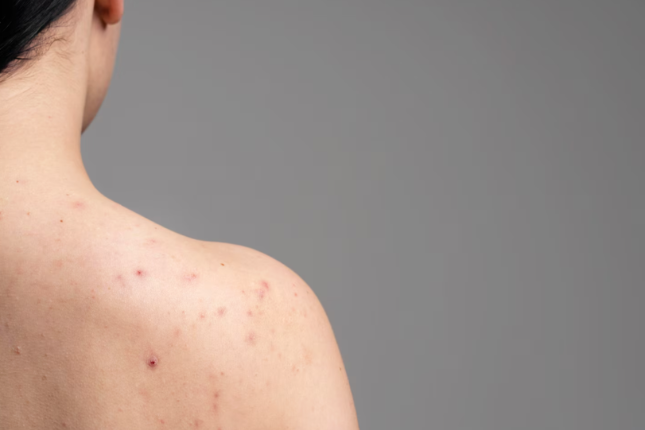
Back acne tends to get treated as an afterthought face skincare gets a full routine, the back gets ignored until breakouts are already widespread. In Hyderabad’s climate, that’s a mistake, because heat, humidity, and sweat create close to ideal conditions for bacne almost year-round, not just during a “summer flare.” Here’s what’s actually driving it and what clears it.
Why Bacne Is Especially Common in Hyderabad’s Climate
The back has larger sebaceous (oil) glands than most other parts of the body, and it sweats heavily during Hyderabad’s long hot season and humid monsoon months. Sweat that isn’t washed off promptly sits on the skin, mixes with oil, and clogs pores creating the trapped, inflamed environment where acne-causing bacteria thrive. Add tight or synthetic clothing, backpacks, or sports equipment creating friction and moisture retention, and the back becomes one of the most breakout-prone areas of the body for most of the year in this climate. Back Acne Treatment in Hyderabad
Common Triggers Worth Checking
- Sweat left on skin too long — after a workout, commute, or just a hot day, sweat sitting on the back for hours is one of the biggest contributors
- Tight or synthetic fabrics — these trap heat and moisture against the skin instead of letting it breathe
- Hair care product residue — shampoo, conditioner, and styling products running down the back during a shower is a very common and easily fixed cause
- Heavy, occlusive body lotions or sunscreens — anything that creates a barrier can trap oil and debris underneath
- Friction — bra straps, backpacks, and tight workout gear rubbing against sweaty skin
- Hormonal factors — bacne often follows hormonal shifts around the menstrual cycle, and can be linked to PCOS or insulin resistance if it’s a persistent, recurring pattern alongside irregular periods or other hormonal signs
Is It Actually Acne, or Something That Looks Like It?
This is the detail most people miss, and it changes the entire treatment approach: not everything that looks like bacne is bacne.
Fungal folliculitis (Malassezia/”fungal acne”) is caused by yeast overgrowth rather than the bacteria and oil process behind typical acne. It tends to show up as many small, uniformly-sized, itchy bumps spread fairly evenly across the back — different from the mixed blackheads, whiteheads, and deeper cysts typical of true acne. Crucially, standard acne treatments often don’t work on it, because it needs an antifungal approach, not a bacterial-acne approach.
If your “bacne” is itchy, made up of very similar small bumps, and hasn’t responded to typical acne treatment, this is worth raising with a dermatologist rather than continuing to try acne washes that were never going to work on a yeast-driven condition.
Treatment: What Actually Helps
For mild to moderate true back acne
- Salicylic acid or benzoyl peroxide body washes, used consistently rather than occasionally — salicylic acid in particular helps clear the oily, congested pores typical of body acne
- Shower promptly after sweating — don’t let sweat sit and dry on the skin for hours
- Rinse conditioner out fully before washing your back — residue running down the back is a genuinely common, easily-fixed trigger
- Switch to breathable, loose-fitting fabrics, especially for exercise and sleep
- Use non-comedogenic sunscreen and body lotion — heavy, occlusive formulas trap debris underneath
For moderate to severe or cystic back acne
- Prescription topical retinoids to normalise pore shedding and prevent new clogged follicles
- Oral medications (antibiotics, hormonal treatment, or isotretinoin in more severe or scarring cases) — these require a dermatologist’s assessment and monitoring
- In-clinic treatments like chemical peels or laser-based options for stubborn or scarring cases
For fungal folliculitis specifically
- Antifungal washes or topical treatments (not standard acne actives, which won’t address a yeast-driven condition)
- Addressing the humid, sweaty conditions that let Malassezia thrive in the first place
When to See a Dermatologist
- Breakouts are cystic, painful, or leaving marks/scarring
- Bumps are itchy and uniformly small, spread evenly — a sign it may be fungal rather than bacterial acne
- Over-the-counter body washes haven’t improved things after several weeks of consistent use
- Bacne follows a clear pattern tied to your menstrual cycle, alongside other signs like irregular periods or excess hair growth
Preventing Recurrence in Hyderabad’s Climate
Because heat and humidity are a near-constant factor here rather than a seasonal one, prevention has to be an ongoing habit rather than a summer-only routine: shower promptly after sweating, avoid letting damp workout clothes sit against the skin, and keep the back care routine going year-round rather than only during a visible flare.
The Derm Aura Approach
At Derm Aura Skin & Hair Clinic, Banjara Hills, Dr. Suma Divya distinguishes true bacterial back acne from fungal folliculitis and other look-alike conditions before recommending treatment — since applying standard acne treatment to a fungal or hormonal cause rarely clears it and can prolong the problem unnecessarily.
Frequently Asked Questions
Why does my back acne get worse in humid weather? Heat and humidity increase sweat and oil production, and sweat sitting on the skin clogs pores and creates conditions where acne-causing bacteria (or yeast, in fungal folliculitis) thrive.
How can I tell if it’s bacne or fungal acne? Fungal folliculitis (Malassezia) typically appears as many small, uniformly-sized, itchy bumps spread evenly, while true bacne is more varied — blackheads, whiteheads, and sometimes deeper cysts. If itchy, uniform bumps aren’t improving with standard acne treatment, fungal folliculitis is worth considering.
Do I need a dermatologist for back acne, or can I treat it myself? Mild cases often respond to consistent salicylic acid or benzoyl peroxide body washes and better sweat/hygiene habits. Cystic, scarring, or non-responsive back acne needs a dermatologist’s assessment for prescription treatment.
Can hormonal changes cause back acne? Yes — bacne often follows hormonal shifts around the menstrual cycle and can be linked to PCOS. If breakouts follow a clear cyclical pattern alongside other hormonal signs, it’s worth discussing with a dermatologist.
Will regular body lotion make back acne worse? Heavy, occlusive lotions can trap oil and debris against the skin and worsen breakouts. Non-comedogenic, lighter formulations are a better choice for acne-prone skin.
Leave a Reply